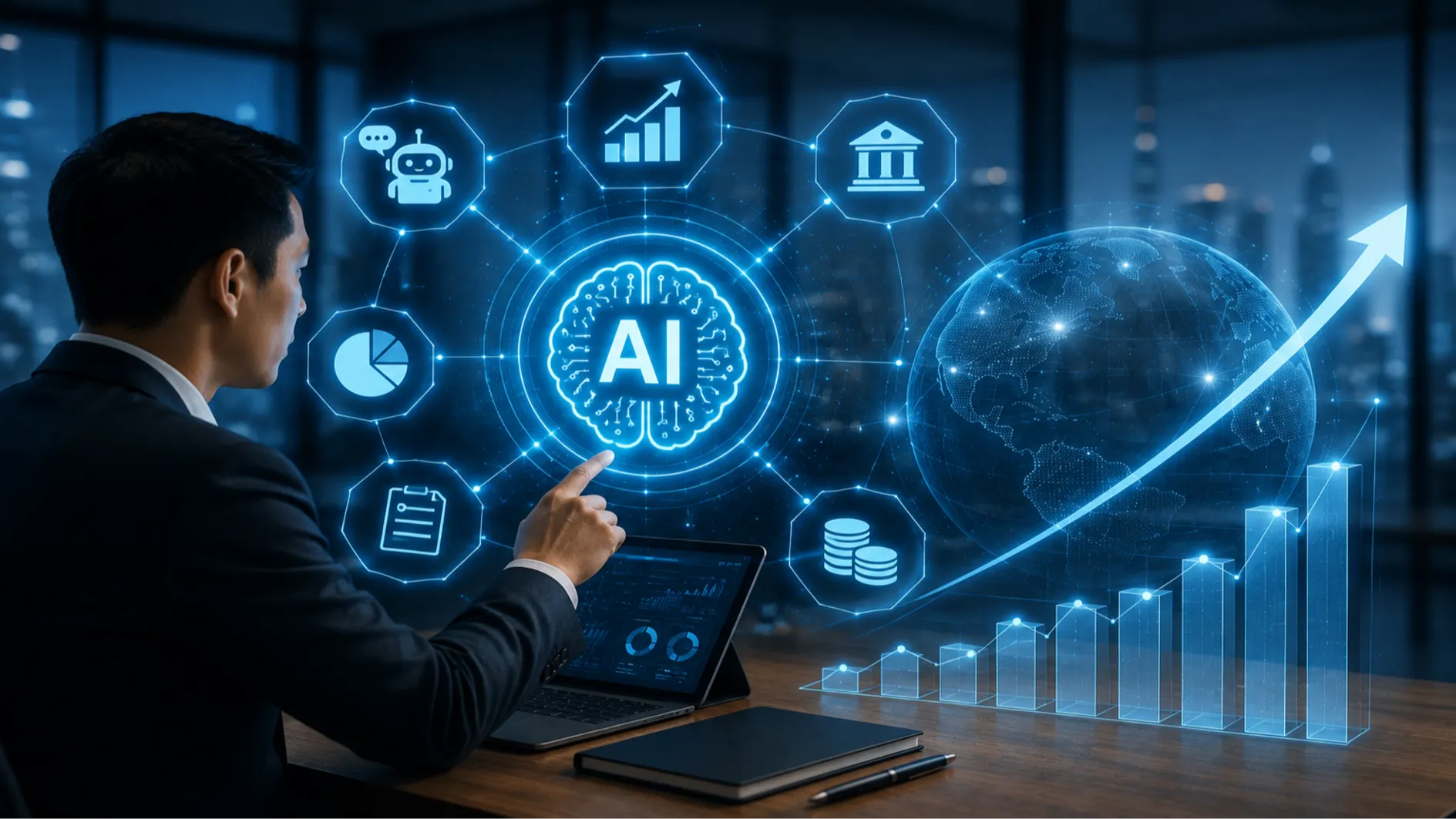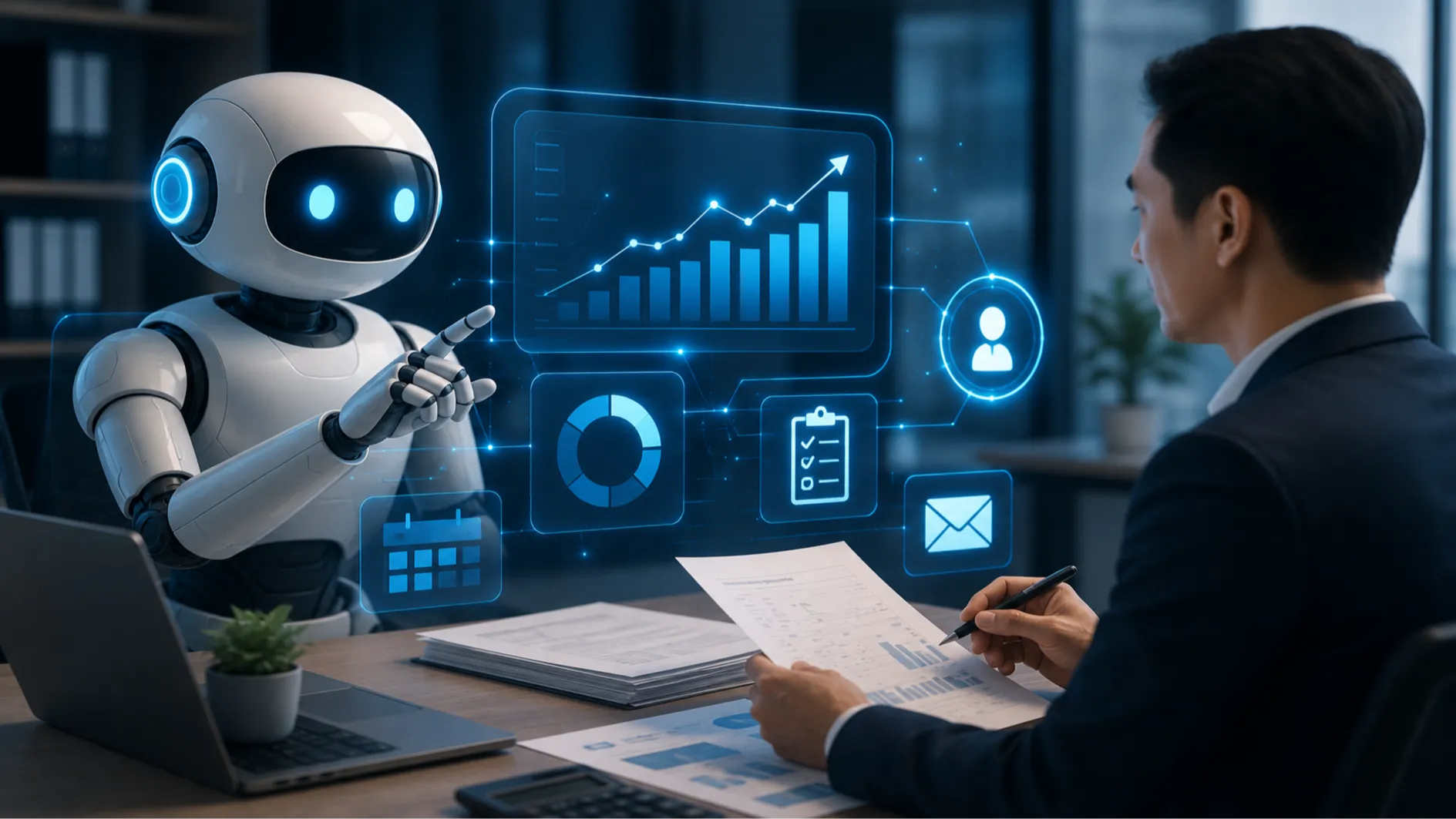
AI Accounting Helps Businesses Reduce Financial Errors, Is It Really Safer?
Why Are Many Businesses Starting to Switch to AI Accounting?
- Transaction input errors can be reduced because the system reads data automatically.
- Bank reconciliation is faster so transaction discrepancies are easier to find.
- Invoices, taxes, and financial reports are more controlled.
- AI accounting helps monitor abnormal transactions in real-time.
- The process will be more optimal if you use best accounting software.
How Does AI Accounting Reduce the Risk of Financial Errors?
Financial errors often seem trivial at first, but the impact can be significant. Entering the wrong amount, forgetting to collect an invoice, duplicate transactions, or misaligned tax reports can impact cash flow and business decisions.
In manual bookkeeping, human error is quite common, especially when there are hundreds of transactions per month. The finance team typically has to input data one by one, match bank statements, and then manually generate reports. The higher the transaction volume, the greater the risk of recording errors.
This is where AI accounting works more efficiently. With best accounting software The system can automatically read invoices, transfer receipts, and bank statements. AI then helps group transactions according to pre-defined account categories.
For example, vendor payments would be included in operational expenses. Equipment purchases could be included in assets. Once transaction patterns are recognized, the system can repeat the classification process more consistently than manual input.
Another major benefit lies in bank reconciliation. Many businesses only realize missing transactions or unrecorded payments at the end of the month. best accounting software, the system can provide faster notifications when there is a mismatched nominal or double transaction.
AI accounting also helps detect unusual transactions. For example, a software subscription fee that's usually Rp2 million per month suddenly increases to Rp6 million. The system can alert you to the drastic change in spending patterns. This type of information often slips through the cracks when audits are manual.
From operational experience, one of the most common problems is forgetting to follow up on customer invoices. As a result, receivables pile up and cash flow is disrupted. best accounting software, due invoices can be monitored automatically so that the risk of late billing is smaller.
Furthermore, AI accounting helps speed up the closing of monthly reports. The finance team doesn't have to rush to input transactions at the end of the month because some processes are automated. This is crucial because late reporting often leads owners to make decisions based on outdated data.
However, AI accounting is not a system that can operate without oversight. Review from finance and accounting remains essential, especially for tax purposes, adjusting entries, and approval of certain transactions. Therefore, best accounting software should be used as a control tool, not just a data input tool.
The larger a business grows, the more critical it becomes to accurately record financial data. Small, repeated errors can lead to significant losses if not detected early.
Practical Steps to Reduce Financial Errors
- Use best accounting software for automatic recording.
- Separate personal and business accounts.
- Bank reconciliation at least once a week.
- Review overdue invoices regularly.
- Restrict approval access to certain transactions.
- Save digital transaction receipts regularly.
- Use best accounting softwaref or daily cashflow monitoring.
- Check for abnormal transactions or sudden increases in fees.
- Perform a simple internal audit every month.
- Use best accounting software so that reports are easier to trace.
FAQ
1. Can AI accounting really reduce human error?
It can help reduce costs, especially for transaction input, reconciliation, and invoice monitoring.
2. What are the most common financial mistakes in business?
Incorrect nominal input, double transactions, missed invoices, and unsynchronized bank statements.
3. Do small businesses need AI accounting?
It is necessary if transactions start to become routine and the owner has difficulty monitoring cash flow manually.
4. Is AI accounting safe for financial data?
Safe to use best accounting software with good access control and data backup.
5. Can AI accounting replace the finance team?
Not entirely. Systems help with automation, but control and analysis still require humans.
6. When does a business start needing an automated system?
When transactions start to increase, reports are often late, or manual checking starts to take too much time.
7. What are the initial steps before using AI accounting?
Organize transaction data, chart of accounts, then use best accounting software so that the monitoring process is more stable.
Ultimately, AI accounting helps businesses reduce the risk of financial errors by speeding up record-keeping, improving data accuracy, and making monitoring more real-time. best accounting software, businesses are not only more administratively organized, but also better prepared to make decisions based on accurate data.