Corporate Profits Rise, But Why Are Cash Flow Problems Still Happening?
Many Businesses Are Profitable on Paper, But Cash Flows Remain Stuck
- Profit and cash flow are two different things. A business can appear profitable, but the cash isn't actually coming in yet.
- The most common causes: accounts receivable take too long to be paid, stock builds up, and operational costs swell.
- Many new owners realize they have cash flow problems when vendor payments or salaries start to be late.
- With best accounting software, companies can monitor cash flow in real-time, not just looking at profit and loss.
- Ideally, cashflow is monitored weekly, not just at the end of the month.
Why Doesn't Profit Always Mean Cash Security?
Many owners feel their business is doing well because the income statement shows a profit. However, when they look at the company's accounts, they find the balance is actually low. This situation is all too common, especially in fast-growing businesses.
The main problem is cash flow.
Profit is the profit figure based on accounting records. Cash flow, on the other hand, is the actual cash coming in and out of a business.
For example, a company successfully sells a project for Rp300 million and records a profit. However, the customer only pays 60 days later. This means the company has a profit, but the cash hasn't arrived yet.
On the other hand, employee salaries, operational costs, vendors, and taxes still have to be paid every month.
Because of this, many businesses look healthy on the reports, but are actually experiencing cash pressure.
With best accounting software, companies can view their cash flow in greater detail. They can see not only profits but also when money is actually received and disbursed.
Cash flow problems usually arise from the following things:
- customer receivables are too old;
- too much stock;
- operating costs increase;
- large installment payments;
- small recurring expenses.
In practice, retail companies often run into problems because inventory accumulates too long in warehouses. Money is essentially "tied up" in the form of goods.
Meanwhile, in the service business, cash flow is often disrupted because projects are completed but customer payments are delayed by 30–90 days.
Here's the reason best accounting software is starting to become a critical need. Modern systems help owners track daily cash flows, rather than simply waiting for monthly reports.
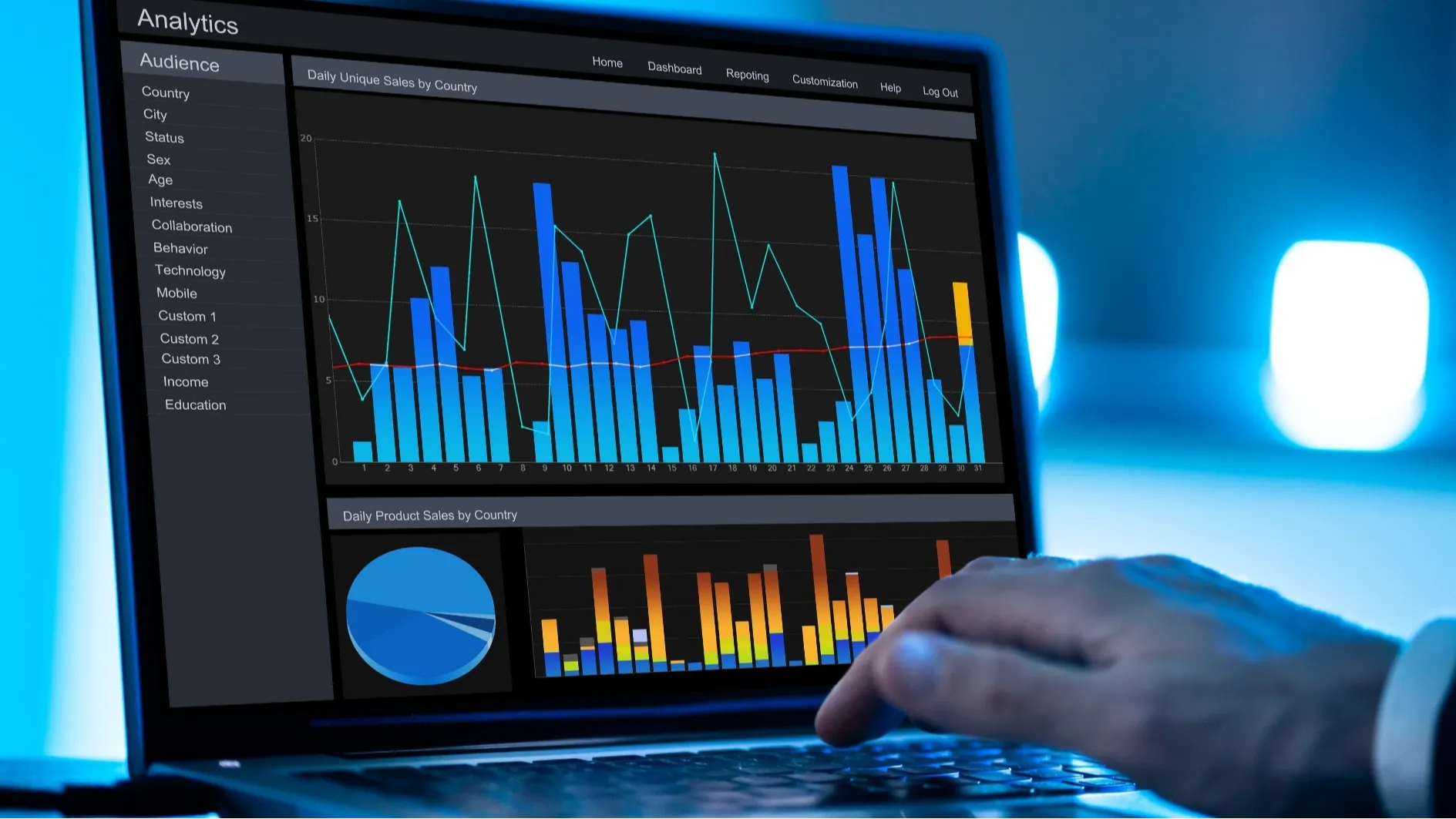
For example, an AI or financial dashboard could show:
- which customers are most often late paying;
- which costs are rising the fastest;
- what month did cash flow start to become negative;
- unproductive routine expenses.
With best accounting software, the owner can make decisions more quickly before the cash condition worsens.
Often the problem is not that the business is not making a profit, but that cash flow is not managed with discipline.
Checklist to Keep Your Cash Flow from Always Being in a Tight Spot
- Use best accounting software to monitor daily cashflow.
- Separate profit and cash flow statements.
- Monitor customer receivables weekly.
- Limit stock that has been unsold for too long.
- Review operational costs at least once a month.
- Use best accounting software so that payments and invoices are easier to track.
- Make a cash flow projection for the next 3 months.
- Avoid large expenses without calculating cash flow.
- Negotiate customer and vendor payment terms.
- Keep a minimum of 3 months of operational reserve funds.
FAQ
1. Why can a business be profitable but have negative cash flow?
Because profit doesn't necessarily mean cash has been received. Many transactions still involve receivables or inventory.
2. What is the difference between profit and cash flow?
Profit is the gain in accounting reports, while cash flow is the money that actually moves in and out.
3. What are the most common causes of cash flow problems?
Late receivables, excessive inventory, high operating costs, and uncontrolled expenses.
4. Why do owners often realize late that they have cash flow problems?
Because the focus is only on seeing turnover or profit without monitoring daily cash flow.
5. What is the relationship between cash flow and accounting software?
best accounting software helps view cash positions, invoices, and payments in real-time.
6. Do small businesses need to monitor cash flow details?
It's absolutely necessary. Small businesses are often more sensitive to late payments and increased costs.
7. When does a company need to use best accounting software?
When transactions start to increase, invoices are difficult to monitor, or the owner cannot see the cash flow quickly.
8. What is best accounting software can help with cash flow prediction?
Yes. Modern systems can read transaction history and help create more accurate cash flow projections.
Ultimately, many businesses fail not because they don't make a profit, but because they run out of cash flow midway. best accounting software, companies can control cash flow more disciplined, make decisions faster, and keep the business healthy in the long term.