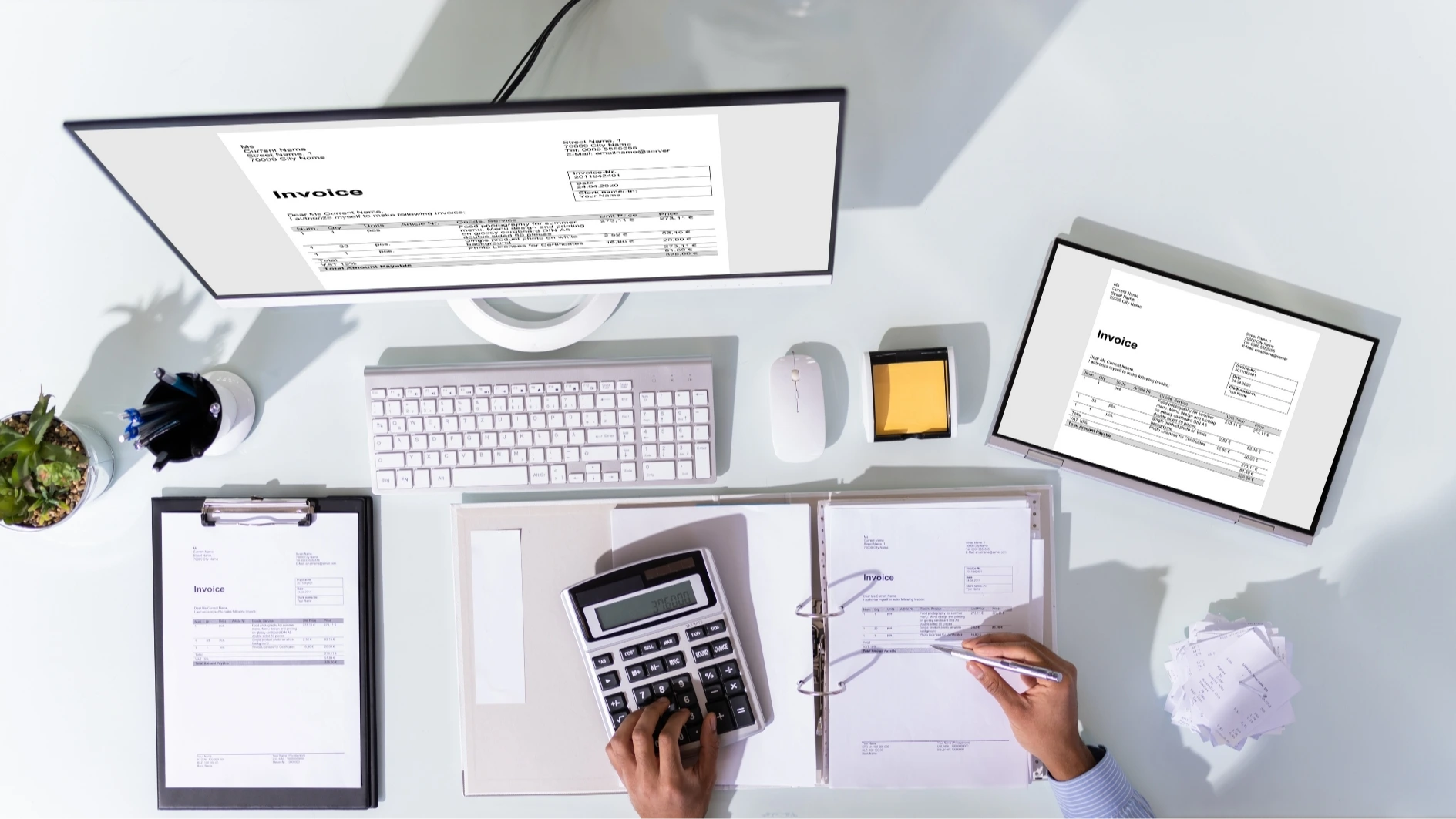
ERP for Indonesian Companies: From Recording to Automated Financial Validation
Quick Answer: Why is ERP Important for Business?
Bookkeeping and ERP application Indonesia helps companies manage records, transactions, stock, invoices, and financial validation in one system.
- Transaction data can be recorded automatically from sales, purchases, and payments.
- The risk of incorrect input can be reduced because the process no longer relies entirely on manual spreadsheets.
- The finance team can see reports more quickly, usually daily or weekly.
- Financial validation is neater because approvals, invoices, and transaction evidence are stored in one flow.
- Suitable for businesses that already have many transactions, branches, products, or operational teams.
From Manual Records to a Validable System
Many companies in Indonesia still start their bookkeeping using Excel, WhatsApp, manual notes, or separate files between divisions. Initially, these methods seem adequate. Problems begin to arise when transactions increase, for example, from 50 transactions per month to 500–1,000.
At this point, the problem is not just “recording”, but ensuring the data is correct.
For example, the sales team creates an invoice, the warehouse team records outgoing stock, and then the finance team waits for proof of payment. If all these processes run in separate files, data discrepancies can easily occur. An invoice could have been sent, but payment hasn't been recorded. Stock could have decreased, but not yet been reflected in the sales report.
ERP helps unify these processes. When a transaction is created, the system can directly link data to the relevant modules: sales, inventory, purchasing, finance, and reporting. This speeds up the validation process because each figure has a clear data source.
In practical terms, companies can save significant time on reconciliation. While previously finance needed 3–5 business days to reconcile sales, payment, and inventory data, with an ERP system, this process can be reduced to a matter of hours, depending on the complexity of the transaction and the discipline of data input.
Here it is Bookkeeping and ERP application Indonesia become relevant, especially for businesses that want to level up from simply recording transactions to managing auditable and accountable financial data.
Checklist: When Does a Business Need to Use ERP?
- Transactions are starting to become difficult to monitor manually.
- Sales, stock, and payment data are often out of sync.
- Financial reports are often more than 7 days late.
- Approval for purchases or expenses is still done via private chat.
- The company has more than 1 branch, warehouse, or division.
- Owners find it difficult to see cash flow positions in real-time.
- The finance team often repeats data input from different files.
- There is a need for neater tax reports, invoices, or proof of transactions.
FAQ
1. What is the difference between regular bookkeeping and ERP?
Bookkeeping focuses on financial record-keeping. ERP is broader because it connects operations, sales, purchasing, inventory, invoices, payments, and financial reporting.
2. Is ERP suitable for MSMEs?
It's suitable for MSMEs who already have regular transactions, a large number of products, or are finding it difficult to control cash flow manually. You don't have to wait until you reach a large company.
3. Can ERP replace the finance team?
Not entirely. ERP helps speed up finance work, reduce manual input, and simplify validation. Teams are still needed for review, analysis, and business decisions.
4. How long does an ERP implementation usually take?
For simple needs, it can take 2–4 weeks. For more complex processes like multi-branch processes, inventory, approvals, and custom reports, it can take longer.
5. What are the risks if a company is late in using ERP?
The risks are inconsistent data, late reporting, difficult to monitor cash flow, and business decisions made based on unvalidated figures.
6. Does ERP have to be complete from the start?
No. Implementation can be gradual. Start with the most critical modules like sales, invoicing, inventory, or finance, then expand as needed.
Ready to Streamline Your Business Financial Recording and Validation?
If your company is starting to have difficulty managing transactions, reports, stock, invoices, or financial validation manually, now is the right time to start using Bookkeeping and ERP application Indonesia.
Consult your business needs with our team so that your recording, operational, and financial reporting processes can run more neatly, quickly, and are ready to grow.