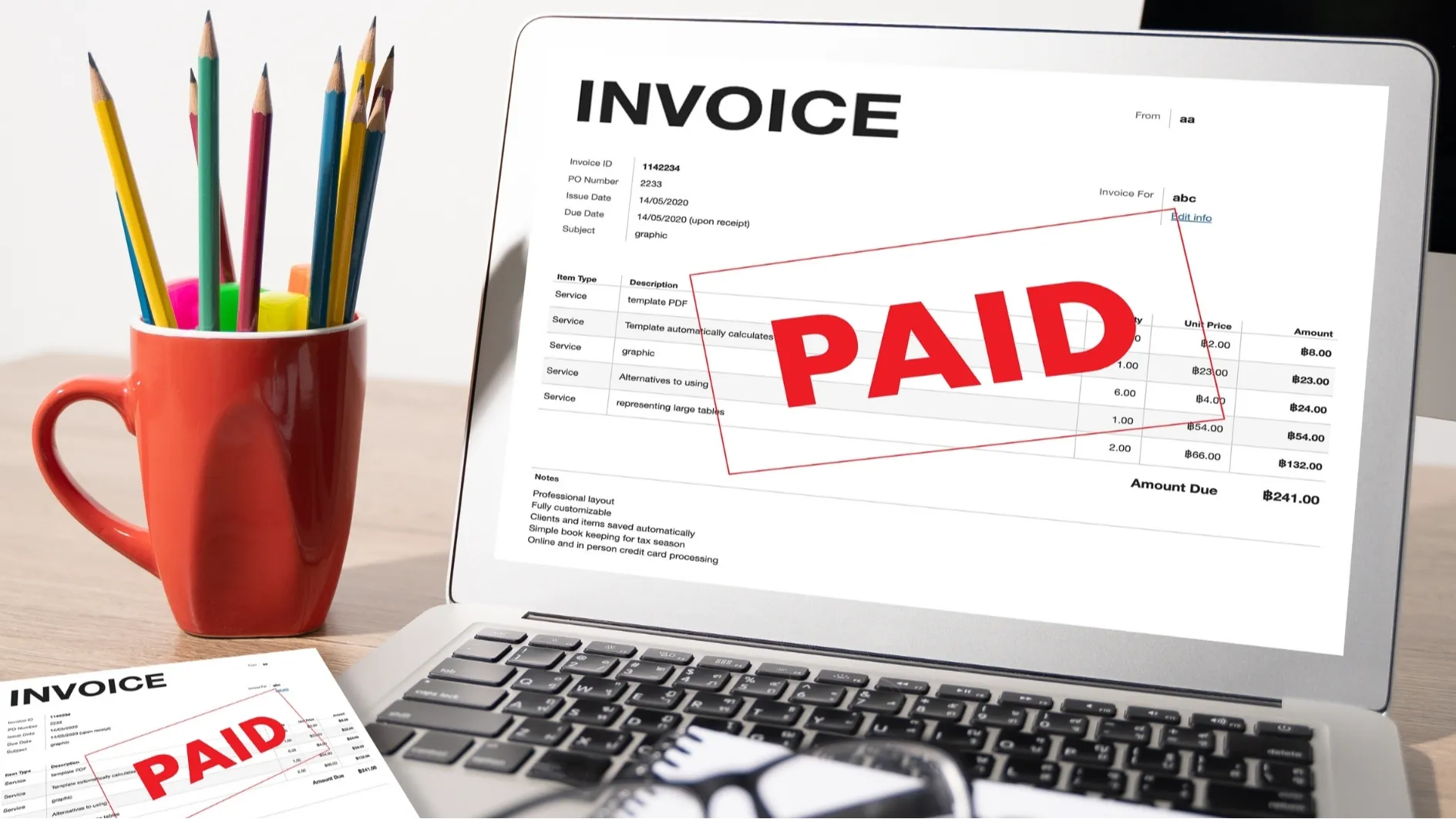
Lots of Invoices But No Profit? This Is a Common Problem
Why High Sales Don't Necessarily Mean Big Profits?
- Many businesses have large invoices, but cash flow remains tight.
- Profits are often “lost” because operational costs are not properly monitored.
- Unpaid customer receivables make turnover look large only on paper.
- Untidy bookkeeping makes it difficult for owners to see the actual margin.
- This problem is easier to monitor with best accounting software.
Why Do I Have So Many Invoices But I Don't Feel the Money?
Many business owners have experienced this situation: invoices keep coming in, projects are busy, and revenue seems to be rising, but cash balances feel flat. Sometimes, profits aren't even noticeable.
The problem is usually not in sales, but in financial control.
With best accounting software, businesses can see whether large invoices have actually been converted into cash. In fact, an invoice doesn't necessarily mean immediate cash receipt.
In business practice, many companies have accounts receivable that are 30–60 days past due. This means revenue has been recorded, but the money hasn't yet been credited to the account. If owners only focus on revenue without monitoring cash flow, the business can appear healthy when cash is actually tight.
Another problem lies in unmonitored operational costs. Software subscriptions, marketing costs, overtime, transportation, vendor fees, and other small daily expenses often seem trivial. However, when added together, the total can slowly erode business margins.
With best accounting software, these costs can be categorized automatically so that it is easier for the owner to see which expenses are the largest.
Many businesses also experience pricing issues. A large invoice doesn't necessarily mean high profits if margins are too thin. For example, a Rp100 million project sounds substantial, but after deducting vendor costs, operational costs, work revisions, and internal costs, the net margin is actually small.
AI accounting helps you understand these conditions more quickly through profit and loss reports and real-time cash flow monitoring.
Furthermore, manual bookkeeping often delays owners' detection of problems. Customer invoices go uncollected, expenses go unrecorded, or duplicate transactions are only discovered at the end of the month. As a result, business decisions are made based on inaccurate data.
Because of that, best accounting software It is important not only for recording transactions, but also for reading the real profitability of the business.
In many cases, businesses are actually profitable, but cash flow is disrupted because receivables take too long to be paid. There are also businesses with high turnover but thin profits because operating costs continue to rise unchecked.
AI accounting helps reduce these blind spots. The system can provide insights if certain costs increase drastically, invoices become too overdue, or cash flow becomes unhealthy.
From operational experience, one sign that a business is starting to lose control is when the owner can't explain where the business's money is going. At that point, best accounting software usually it has become a necessity, not just an option.
Things to Check If Profits Are Not Felt
- Use best accounting software for cash flow monitoring.
- Separate the turnover and the money that has actually been received.
- Monitor invoices due every week.
- Review routine operating costs.
- Calculate the net margin per project or product.
- Regular bank reconciliation.
- Use best accounting software to view real-time profit and loss reports.
- Check for small recurring expenses every month.
- Make sure pricing is still in line with the latest operational costs.
- Use best accounting software so that profits are easier to monitor.
FAQ
1. Why is the turnover big but the money still feels small?
Usually because many invoices have not been paid or operational costs are too high.
2. What is the difference between turnover and cash flow?
Turnover is the value of sales, while cash flow is the money that actually comes in and out of the business.
3. Why is profit often not felt?
Due to thin margins, uncontrolled costs, or customer receivables taking too long to be disbursed.
4. Can AI accounting help you see business margins?
Can help with profit and loss reports and operational cost monitoring.
5. What are the most common problems in business bookkeeping?
Invoices are billed late, transactions are not recorded, and small expenses are not monitored.
6. Does a small business need an accounting system?
This is necessary, especially if transactions become routine and the owner wants to monitor cash flow more clearly.
7. What are the first steps to make profits more visible?
Start from monitoring costs and use best accounting software so that financial reports are more accurate.
Ultimately, a large number of invoices doesn't necessarily mean a business is truly healthy. Without proper cash flow control and cost monitoring, profits can feel like they're "lost" even as sales continue to rise. best accounting software, businesses can see their financial condition more clearly, maintain healthy margins, and make decisions based on more accurate data.