Managing Business Taxes Made Easier with Integrated ERP Cloud in Indonesia
Quick Ways to Make Your Business Taxes More Tidy
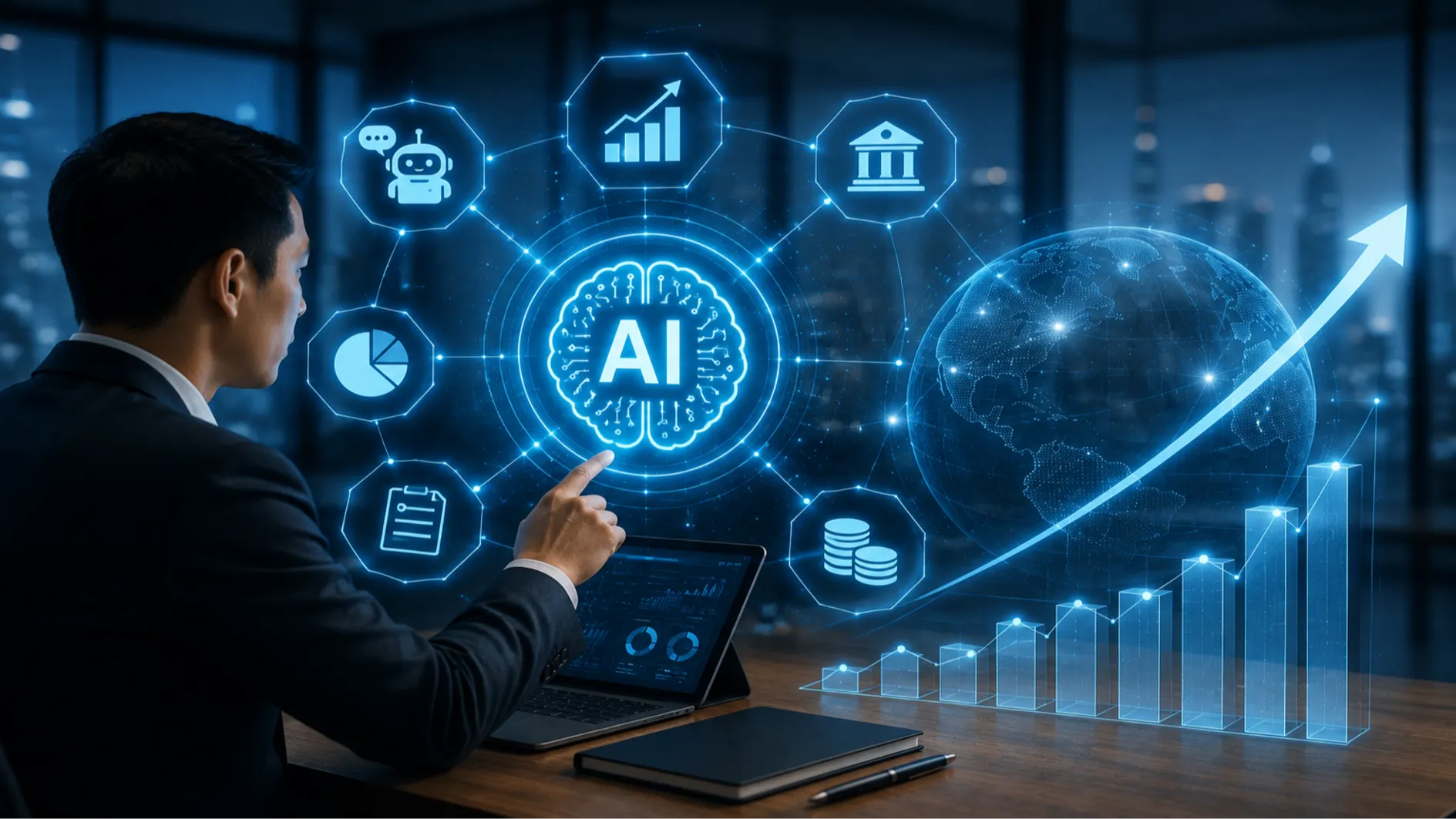
Use Enterprise resource planning Indonesia can help businesses manage taxes more easily because transaction data, bookkeeping, invoices, and financial reports are stored in one system.
- Sales, purchasing, stock, and operational cost data are automatically recorded in one platform.
- The risk of incorrect tax input can be reduced because data does not need to be moved manually multiple times.
- Monthly financial reports can be prepared more quickly, ideally at the end of each month or a maximum of 7 days before the following month.
- It is easier for the finance team to prepare VAT, PPh, tax invoices, withholding tax certificates, and audit requirements.
- Management can view financial positions and tax liabilities without waiting for manual recaps of multiple Excel files.
Why Taxes Become Easier With an Integrated Business System?
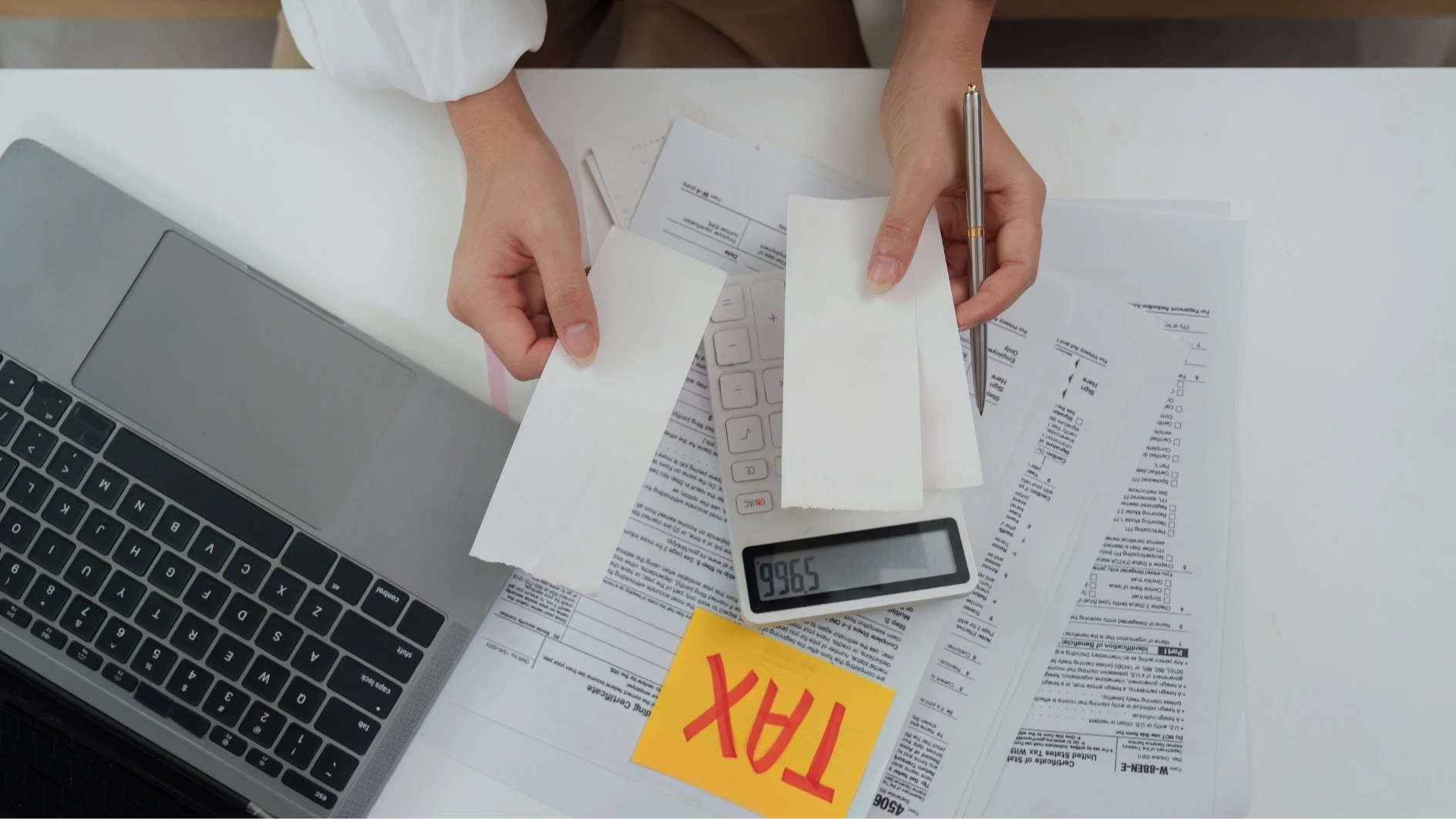
Tax issues in many businesses aren't usually due to a lack of compliance. The main problem often arises from scattered data. Sales are recorded on manual invoices, inventory is recorded in spreadsheets, operational costs are recorded in admin chats, and financial reports are only finalized when tax deadlines approach.
In the real world, this situation is extremely risky. For example, in a single month, there are 300 sales transactions, 120 purchase transactions, and 50 operational expense transactions. If everything is recorded manually, the chances of input errors, duplication, or missed transactions are much greater.
An integrated cloud ERP system helps unify these processes. When an invoice is created, the data is immediately entered into the sales ledger. When a purchase occurs, the system can record the vendor, transaction amount, input tax, and payment status. As stock moves, inventory reports change accordingly. As a result, profit and loss statements, balance sheets, cash flow statements, and tax bases are more consistent.
Technically, a cloud ERP system also helps create an audit trail. This means every data change can be tracked: who entered it, when it was changed, and which transactions were affected. This is crucial for a growing business, especially when transaction volume exceeds 100–500 transactions per month.
With Enterprise resource planning Indonesia, businesses not only gain bookkeeping software but also a more streamlined operational foundation. Taxes become easier because the data source is cleaner from the start, rather than being fixed later at deadlines.
For businesses in Indonesia, this is particularly relevant because tax requirements are not isolated. Tax invoices, withholding tax certificates, VAT, income tax, bank reconciliations, operational costs, and financial reports are interconnected. If one piece of data is incorrect, the impact can ripple across other reports.
A simple example: if sales invoices aren't recorded, revenue appears lower. If costs aren't included, profits appear higher. If input tax isn't documented, potential tax credits can be lost. So, cloud ERP isn't just about software; it's about controlling business data.
Checklist to Be Better Prepared for Business Taxes Every Month
- Make sure all sales invoices are created from the system, not a separate manual.
- Record purchases and operational costs a maximum of H+3 after the transaction.
- Perform bank reconciliation at least once a month.
- Separate personal transactions and business transactions.
- Store tax documents such as tax invoices, withholding certificates, and Billing IDs in digital archives.
- Review the income statement and balance sheet before tax reporting.
- Use a system that has multi-user access so that admin, finance, and management work from the same data.
- Evaluate the number of monthly transactions. If it exceeds 100 transactions per month, a manual system usually begins to become inefficient.
FAQ
1. Can cloud ERP directly calculate taxes automatically?
It can help prepare basic tax data, but still requires configuration and review. Taxes must be adjusted according to the transaction type, PKP status, income tax type, and applicable regulations.
2. What is the difference between cloud ERP and regular accounting software?
Accounting software focuses on financial record-keeping. Cloud ERP is more comprehensive because it can connect sales, purchasing, inventory, invoices, payments, and reports into a single system.
3. Do small businesses need to use ERP?
It's necessary when transactions become difficult to control manually. Typically, when transactions become routine daily, invoices are numerous, or reports are frequently late, ERP becomes relevant.
4. Can ERP reduce the risk of incorrect tax reporting?
Yes, because the data is more structured and doesn't need to be moved manually multiple times. However, review by a finance or tax consultant is still necessary to ensure the transaction classification is correct.
5. Is data in cloud ERP secure?
Cloud ERP systems generally have centralized user access, backup, and storage systems. Importantly, businesses must manage access rights to prevent all users from modifying critical data.
6. How long does cloud ERP implementation take?
For basic accounting and operational needs, implementation can begin in 2–6 weeks, depending on the amount of data, process complexity, and internal team readiness.
7. Does ERP help during tax audits or inspections?
Yes. With audit trails, historical reports, and neatly stored transaction documents, data retrieval becomes faster and easier to explain.
It's Time Business Taxes Are No Longer Done Suddenly
Managing taxes will be much easier if your business data is organized from the start. Enterprise resource planning Indonesia, companies can build financial systems that are more integrated, transparent, and ready to be used for decision making.
Need a cloud ERP solution that fits your business operations and taxes? Contact us for a consultation and see how an integrated system can help your business run more efficiently.