Predictive Finance: Technology Starting to Be Used to Predict the Future of Business
Modern Businesses No Longer Just Look at Past Reports
- Predictive finance helps companies predict cash flow, risk of loss, and potential sales declines before they occur.
- AI reads transaction patterns from the last 3–12 months to find business trends that are often invisible to manual analysis.
- With best accounting software, financial data can be analyzed in real-time, not just at the end of the month.
- Many companies are starting to use predictive finance to reduce the risk of negative cash flow and uncontrolled spending.
- The faster a company reads financial patterns, the faster decisions can be made.
Why is Predictive Finance Starting to Be Widely Used?
In the past, financial reports were used to assess what had already happened. Now the approach has changed. Many companies are starting to wonder: "What's likely to happen in the next 3–6 months?"
This is where predictive finance comes into play.
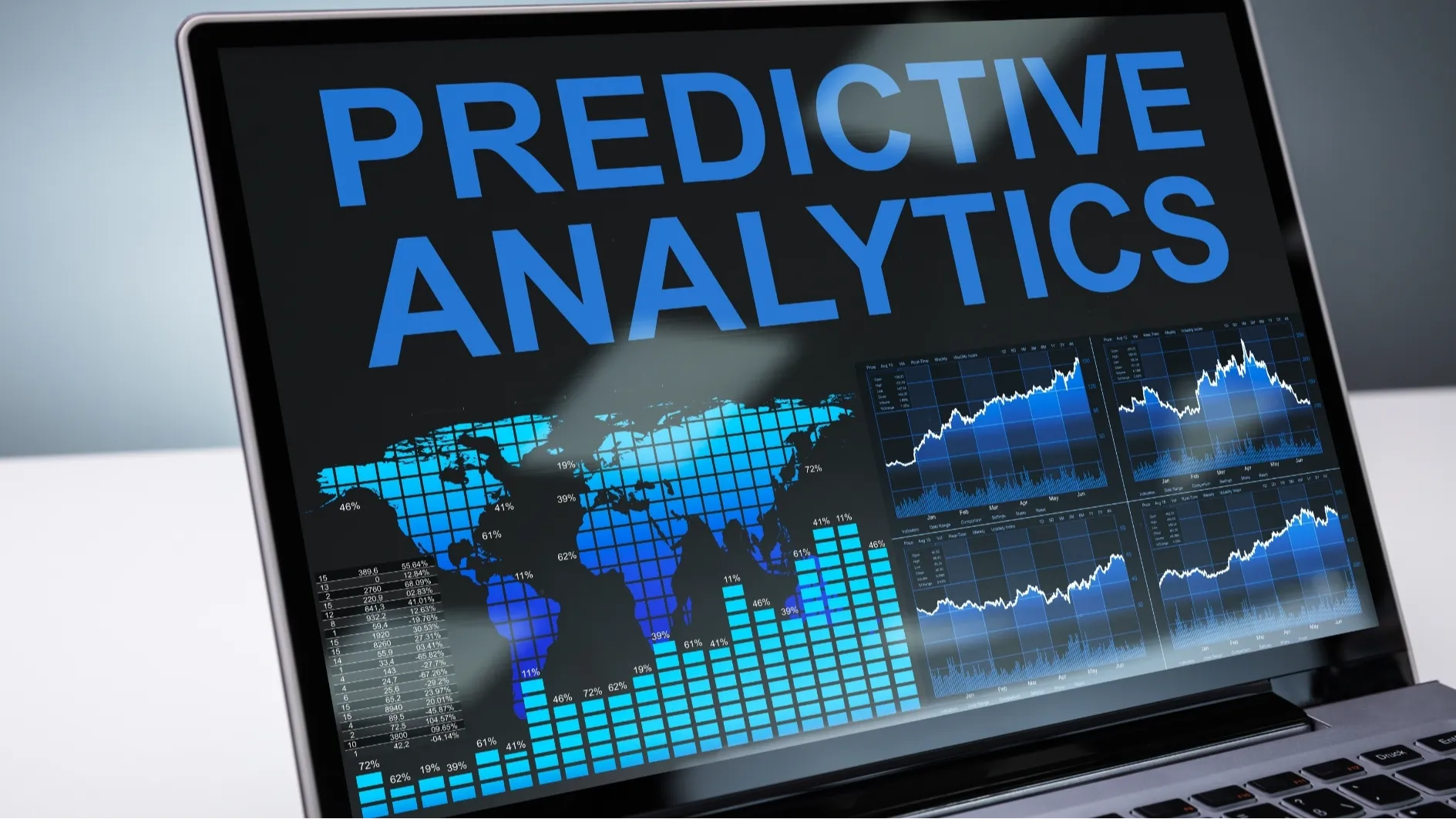
Predictive finance is a technology that uses AI and historical data to predict possible future business conditions. This system looks at sales patterns, operating costs, cash flow, customer payments, and spending trends.
With best accounting software AI can read thousands of transactions faster than manual analysis. Some systems can even provide automatic warnings when cash flow is predicted to start declining.
For example, in the retail business, sales may appear stable, but AI finds that warehouse costs have increased 18% in the past four months, while inventory turnover has slowed. This could signal that profits are starting to suffer.
In service companies, predictive finance is often used to assess the risk of late customer payments. If a client's payment pattern starts to lag by 10–15 days compared to usual, the system can provide an early alert.
Because of that, best accounting software Now, it's no longer just a record-keeping tool. Its function is shifting to become a business decision-making tool.
Predictive finance technology typically reads several key indicators:
- tren cashflow;
- growth in operating costs;
- profit margin;
- aging of receivables;
- debt ratio;
- seasonal sales patterns.
If there's a risky pattern, AI will provide insights. For example:
“In the next 90 days, cash flow is predicted to decrease if marketing costs continue to rise at the current rate.”
This kind of thing is difficult to do if the data is still scattered across manual spreadsheets. Therefore, best accounting software helping companies unify data in one system so AI can read patterns more accurately.
In real-world practice, predictive finance helps owners make decisions faster. For example:
- delaying production is not essential;
- speed up invoice collection;
- reduce slow-moving stock;
- evaluate divisions with excessive costs.
With best accounting software, business decisions become more data-based, not just feelings.
Simple Steps to Start Predictive Finance in Business
- Use best accounting software so that financial data is stored neatly.
- Monitor cash flow at least weekly.
- Create monthly profit reports consistently.
- Check spending trends for the last 3–6 months.
- Monitor customers who are frequently late in paying.
- Use best accounting software to view real-time dashboard.
- Separate operational costs and investment costs.
- Analyze products or services with the smallest margins.
- Review of stock or production that continues to increase.
- Use historical data to make simple projections.
FAQ
1. What is predictive finance?
Predictive finance is a technology that uses AI and historical data to predict the future financial condition of a business.
2. How is it different from regular financial reports?
Regular reports look at the past, whereas predictive finance helps read possible future risks or opportunities.
3. What data does predictive finance require?
Cash flow, sales, expenses, receivables, payables, profit margins, and transaction history.
4. Why is predictive finance starting to be important now?
As business changes accelerate, companies need to make decisions before problems arise.
5. Can small businesses use predictive finance?
Yes. Even small businesses need more cash flow control because margins are often more sensitive.
6. What is the relationship between predictive finance and accounting software?
AI requires clean, real-time data. Therefore, best accounting software become the main foundation of predictive finance.
7. Can predictive finance predict bankruptcy?
Not absolutely, but can read the risk patterns that usually appear before a business experiences financial stress.
8. When should a company start using best accounting software?
When transactions start to increase, reports are often late, or the owner has difficulty reading business conditions quickly.
Ultimately, predictive finance isn't about guessing the future. This technology helps businesses detect patterns earlier so they can make faster and more informed decisions. best accounting software, companies can move more prepared to face market changes, maintain cash flow, and reduce financial risks before it is too late.